Posted on

Aquatic Workboats: Making the Right Investment

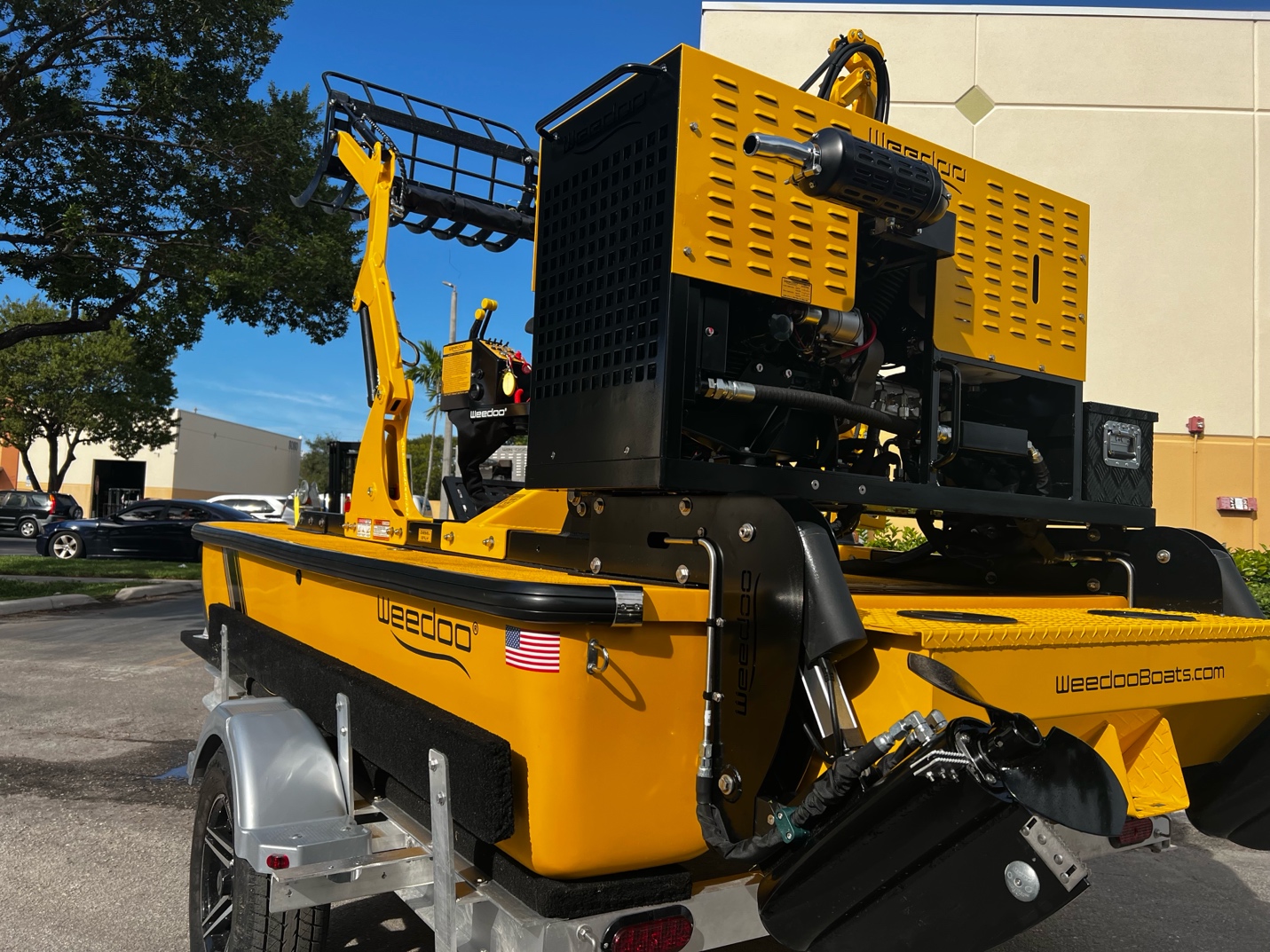
Yellow Weedoo weed-harvesting boat on trailer

Exploring Practical Buying Options for Waterway Maintenance


Restoring a large waterway does not always require a brand-new machine. In many cases, a well-maintained, field-proven vessel can deliver the same results at a more accessible cost.

For organizations working within tight budgets, a used aquatic workboat can provide a practical path to reliable performance without the higher upfront investment of new equipment.

Here are a few key things to look for when evaluating a used vessel and what to inspect before purchasing.

Why Mechanical Removal Is Gaining Attention

Waterway managers are increasingly focused on solutions that improve both function and environmental health.

According to the U.S. Environmental Protection Agency, excess nutrients and decaying plant matter can reduce oxygen levels and impact water quality. Chemical treatments may control growth temporarily, but they do not remove biomass from the system.

Mechanical harvesting addresses this differently. By physically removing vegetation, it reduces the amount of organic material left to decompose, helping improve flow and overall conditions.

Why Consider a Used Workboat

Used environmental workboats can offer strong value when properly maintained. Built for demanding, repetitive use in shallow and debris-heavy environments, many remain capable of reliable performance for years.

What to Inspect Before Buying

A thorough inspection is essential. Focus on:

Hydraulic System
Hydraulics power most attachments used for cutting, lifting, and clearing vegetation. Look for leaks, worn hoses, or signs of pressure loss.

Hull and Structural Integrity
Check for cracks, stress points, or visible repairs. The hull is critical for stability, especially in shallow or uneven waterways.

Engine and Maintenance Records
Review service logs whenever possible. Consistent maintenance is often a better indicator of reliability than engine hours alone.

Mechanical Removal vs. Chemical Treatment

There is no one-size-fits-all solution for aquatic management. However, mechanical removal is often chosen when the goal is immediate clearing and full removal of vegetation.

Unlike chemical treatments, which typically require repeat applications, harvesting removes plant material from the waterway entirely. This can help reduce regrowth associated with decomposition.

Final Takeaway

A used aquatic workboat can be a smart investment when approached carefully. With proper inspection and realistic expectations, it can deliver dependable performance and support long-term waterway maintenance goals.

If the goal is to improve water flow and remove vegetation, mechanical harvesting provides a direct, physical approach to getting results.
Posted on

The Role of Environmental Workboats in Waterway Restoration

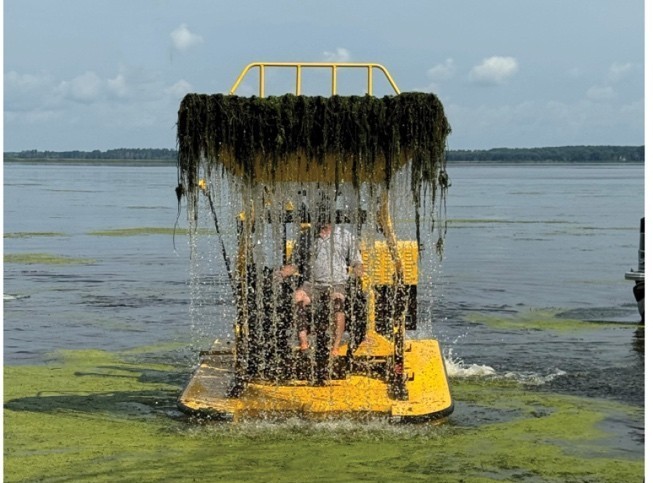
Yellow paddleboat covered in hanging algae

How Environmental Workboats Support Waterway Remediation


Treating invasive weeds with chemical herbicides can provide short-term control, but it typically does not remove the underlying problem. In many cases, vegetation remains in the water, breaks down, and contributes to ongoing water quality challenges.

Specialized environmental workboats take a different approach. They are designed to support mechanical removal, helping restore flow, access, and overall waterway function.

What Makes an Environmental Workboat Different

Unlike general-purpose vessels, environmental workboats are built for specific tasks like vegetation removal, debris recovery, and shoreline maintenance.

This requires a combination of:

  • Shallow-water capability
  • Stable platforms for attachments
  • Hydraulic systems designed for continuous work

The goal is not just to operate in the water, but to actively improve it.

Why Mechanical Removal Matters

Waterway managers are increasingly focused on approaches that support long-term conditions.According to the U.S. Environmental Protection Agency, excess nutrients and decaying plant material can contribute to reduced oxygen levels and declining water quality.

Mechanical harvesting helps address this by removing vegetation from the system, reducing the amount left to decompose.

Design Considerations That Impact Performance

Effective workboats are built with real-world conditions in mind.

Shallow Draft
Allows access to tight or sensitive areas where larger vessels cannot operate.

Stability
Supports safe use of attachments for lifting, cutting, and clearing.

Durability
Materials and construction must withstand debris, vegetation, and repeated use.

Versatility on the Water

Many environmental workboats are designed to support interchangeable attachments.

This allows a single platform to:

  • Cut and remove vegetation
  • Collect floating debris
  • Perform multiple maintenance tasks

Versatility reduces the need for multiple machines and improves efficiency in the field.

Choosing the Right Manufacturer

Not all workboats are built for environmental use.

When evaluating options, it helps to consider:

  • Experience with aquatic remediation
  • Availability of parts and service
  • Compatibility with attachments and accessories

A specialized manufacturer focuses on long-term usability, not just initial performance.

Bottom Line

Waterway remediation requires more than general equipment. It calls for tools designed specifically for the conditions and challenges found on the water.

Environmental workboats support a direct, mechanical approach—helping remove vegetation, improve access, and maintain waterways over time.

Posted on

Managing Aquatic Vegetation: Removal vs. Treatment

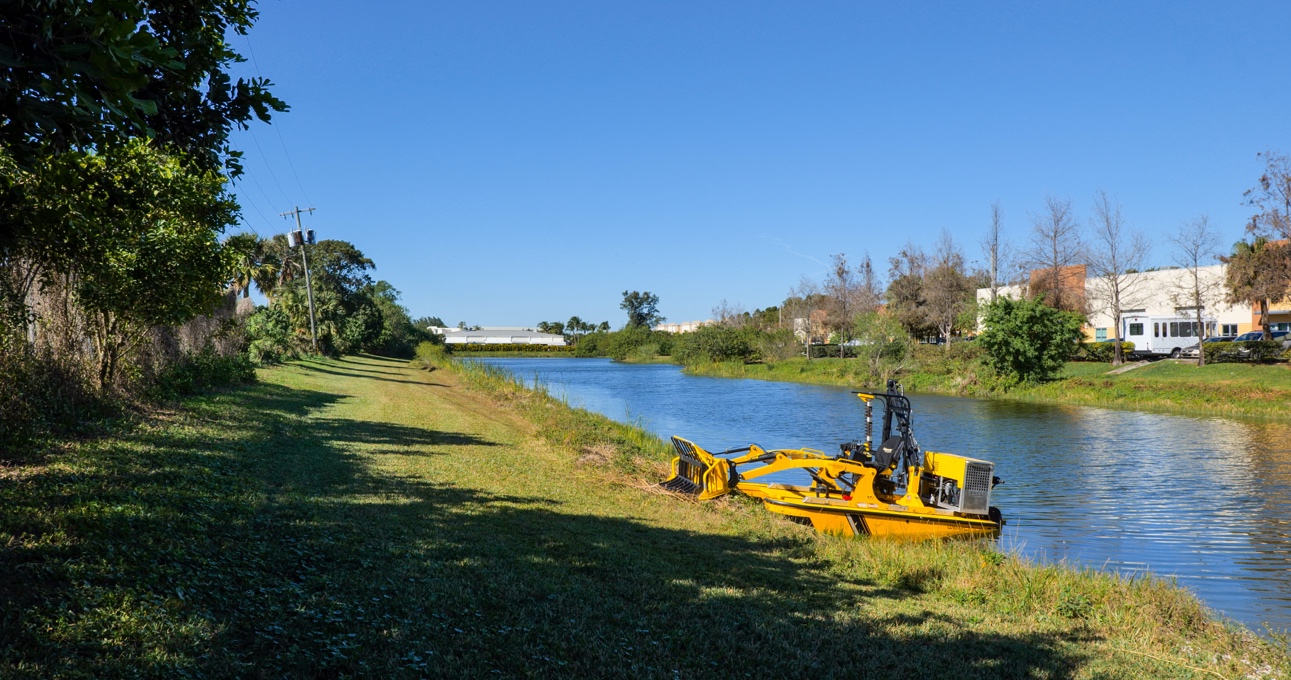
Yellow aquatic weed cutter on canal bank

Aquatic Weed Control: Mechanical Removal vs. Chemical Treatment


Aquatic weed control is not just about managing visible growth. It’s about how vegetation and organic material affect the water over time. In many waterways, the challenge builds gradually as plant matter grows, dies, and accumulates.

Why Aquatic Weeds Become a Problem

Aquatic plants are a natural part of healthy ecosystems. But when growth becomes excessive, it can:

  • Limit water flow and access
  • Block sunlight needed by native species
  • Contribute to lower oxygen levels as plants decay

It’s about how vegetation and organic material affect the water over time.

Considerations with Chemical Treatments

Chemical herbicides are commonly used to manage aquatic weeds, but they come with trade-offs. When vegetation is treated, the plant material typically remains in the water and breaks down. This process can contribute to additional organic buildup over time.

Some treatments may also require temporary restrictions on water use, depending on the product and local regulations. Guidance from agencies like the U.S. Environmental Protection Agency and state authorities is typically followed to ensure safe application.

For many waterway managers, the question is not just how to control growth—but how to manage what remains after treatment.

The Role of Mechanical Removal

Mechanical harvesting uses environmental workboats to cut and remove vegetation from the water. By physically extracting plant material, this approach reduces the amount left to decompose and contribute to future buildup. It is often used to:

  • Restore water flow
  • Improve access and usability
  • Support more stable water conditions over time

Mechanical removal is frequently part of a broader, long-term aquatic weed control strategy.

Choosing the Right Approach

The best solution depends on:

  • Type of vegetation (submerged, floating, emergent)
  • Size and depth of the waterway
  • Access points and shoreline conditions
  • Long-term maintenance goals

In many cases, a combination of methods is used to maintain balance.

Bottom Line

Aquatic weed control is not just about stopping growth. It’s about managing what stays in the water and what gets taken out. Environmental workboats provide a practical way to remove vegetation and debris entirely, helping waterways function better over time.

For organizations looking for a mechanical approach, environmental workboats provide a practical way to manage waterways more directly. Solutions like those from Weedoo Greenboat, Inc. are designed to support consistent, long-term maintenance without relying solely on chemical treatments.