Posted on

Why HOAs Should Use Weedoo to Clean Waterways Instead of Chemical Sprays

Pond Cleaning Services

Why HOAs Should Use Weedoo to Clean Waterways Instead of
Chemical Sprays

Maintaining the beauty and health of community waterways is an important responsibility
for every Homeowners Association (HOA). While there are various methods available to
do this, one of the most effective and eco-friendly options is the use of a Weedoo
workboat.

1. Environmental Safety

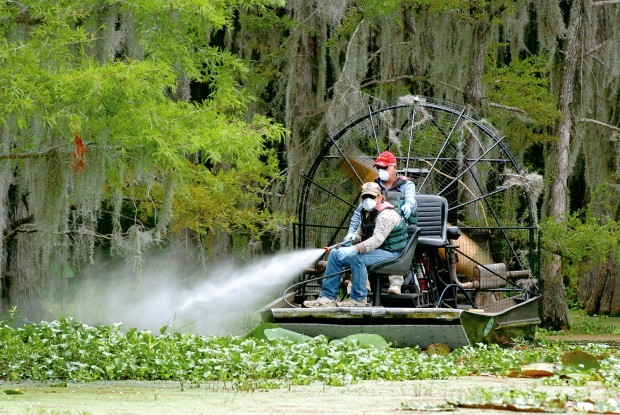
Chemical sprays, while effective in killing unwanted aquatic vegetation, can have
detrimental effects on the ecosystem. These chemicals can leach into the water, affecting
fish, amphibians, and other wildlife. They can also disrupt the natural balance of the
waterway, leading to long-term ecological damage.In contrast, Weedoo operates mechanically, physically removing invasive weeds without introducing harmful substances into the environment. This ensures that the water remains
clean and safe for both wildlife and residents.

2. Preservation of Water Quality

Chemical sprays often contain substances that can alter the water’s pH and introduce
toxins. Over time, this can lead to degraded water quality, making it less suitable for recreational activities and potentially harmful to both humans and animals.Weedoo helps preserve water quality by removing weeds and debris without releasing
any chemicals. This mechanical method ensures that the water remains pristine and healthy, supporting a thriving aquatic ecosystem and providing a safe environment for activities like swimming, fishing, and boating.

3. Long-term Effectiveness

While chemical sprays might provide a quick fix, they often only address the symptoms
rather than the root cause of aquatic weed problems. Chemicals can kill weeds
temporarily, but they do not remove the plant matter. This can result in decomposing
plant material, which can contribute to nutrient build-up and future weed problems.Weedoo, on the other hand, physically removes the entire plant, including roots and
stems. This comprehensive approach helps prevent regrowth, offering a longer-term
solution to weed management and reducing the frequency of maintenance required.

4. Cost-Effectiveness

At first glance, chemical sprays might seem like a more cost-effective solution due to their
lower upfront costs. However, the long-term costs associated with chemical treatments
can add up. Frequent applications are often necessary, and there can be hidden costs
related to environmental damage and water quality restoration.Weedoo represents a more sustainable investment. Its one-time purchase and
operational costs can be offset by the reduced need for repeated treatments and the
avoidance of potential fines or penalties related to environmental regulations.

5. Community Health and Well-being

Using Weedoo promotes a healthier environment for the community. Residents can enjoy
the waterways without concerns about chemical exposure. This is particularly important
for families with young children and pets who are more vulnerable to the effects of
chemical treatments.Moreover, a well-maintained waterway enhances the aesthetic appeal of the community,
boosting property values and providing a pleasant environment for outdoor activities.

6. Regulatory Compliance

Increasingly, environmental regulations are tightening around the use of chemicals in
waterways. By opting for a mechanical solution like Weedoo, an HOA can ensure
compliance with local, state, and federal regulations, avoiding potential legal issues and
contributing to broader environmental conservation efforts.
Pond Cleaning Services

Conclusion

For an HOA looking to maintain the beauty and health of their community waterways,
Weedoo offers a compelling alternative to chemical sprays. Its environmental benefits,
preservation of water quality, long-term effectiveness, cost-efficiency, and contribution to
community health make it a superior choice. By investing in Weedoo, an HOA can
demonstrate its commitment to sustainable practices and the well-being of its residents
and local ecosystem.

Posted on

The Hidden Dangers: Chemical Sprays in Waterways and Their Impact on Pets

Chemical Sprays and Pets

The Hidden Dangers: Chemical Sprays in Waterways and
Their Impact on Pets

Waterways are essential to our environment, providing habitats for numerous species,
sources of drinking water, and places for recreation. However, the increasing use of
chemical sprays in agriculture, gardening, and pest control poses a significant threat to
these vital ecosystems. While much attention is given to the impact of these chemicals on
human health and wildlife, the dangers they present to our pets often go unnoticed..Chemical sprays, including pesticides, herbicides, and fertilizers, are commonly used to
manage pests, weeds, and enhance plant growth. These chemicals are designed to be
effective in small quantities, but their potency means they can cause unintended harm
when they enter our waterways through runoff, leaching, or direct application.

The Growth Cycle Challenge

With spring’s arrival, pond algae and lake weeds begin their vigorous growth cycle, fueled by increased sunlight and warming waters. This natural recurrence is a critical time for pond and lake management. Addressing the growth of algae and invasive weeds early can prevent them from overwhelming the aquatic ecosystem and becoming a larger, more costly issue to manage.

How Chemical Sprays Enter Waterways

  • Runoff: After heavy rain or irrigation, chemical residues on lawns, gardens, and agricultural fields can wash into nearby rivers, lakes, and streams.
  • Leaching: Chemicals applied to soil can seep through the ground, contaminating groundwater that feeds into surface water bodies.
  • Direct Application: In some cases, chemicals are sprayed directly over water bodies to control aquatic weeds or pests, leading to immediate contamination.

Chemical contamination in waterways can disrupt aquatic ecosystems, leading to the decline of fish, amphibians, and invertebrates. These disruptions can have a cascading effect, altering food webs and ecosystem stability. But what about our pets?

Risks to Pets

  • Drinking Contaminated Water: Pets, particularly dogs, are known to drink from ponds, rivers, and streams during walks or playtime. If these water bodies are contaminated with chemical sprays, pets can ingest harmful toxins that can lead to acute poisoning or long-term health issues.
  • Skin Contact: Pets that swim or play in contaminated water can absorb chemicals through their skin. This exposure can cause skin irritation, rashes, and in severe cases, systemic toxicity.
  • Ingesting Contaminated Fish or Plants: Pets that consume fish or plants from contaminated water bodies are at risk of secondary poisoning. These chemicals can accumulate in the tissues of aquatic organisms, leading to higher concentrations of toxins in the food chain.

Symptoms of Chemical Poisoning in Pets

  • Gastrointestinal Issues: Vomiting, diarrhea, and loss of appetite.
  • Neurological Symptoms: Tremors, seizures, and uncoordinated movements.
  • Respiratory Problems: Difficulty breathing, coughing, and wheezing.
  • Skin Conditions: Redness, swelling, and itching.

Prevention and Protection

  • Avoid Contaminated Water Bodies: Be cautious about allowing your pets to drink from or swim in unknown or potentially contaminated water sources.
  • Rinse After Swimming: If your pet swims in a natural water body, rinse them with clean water to remove any potential contaminants from their fur and skin.
  • Stay Informed: Keep updated on local water quality reports and advisories. Avoid areas known to have chemical contamination issues.
  • Natural Alternatives: Advocate for the use of natural pest and weed control methods in your community to reduce chemical runoff into waterways.

Chemical Sprays and Pets

Conclusion

The use of chemical sprays in agriculture and gardening is widespread, but their impact on our waterways and pets cannot be ignored. By understanding the risks and taking proactive measures, such as utilizing Weedoo boats and mechanical harvesting for aquatic weed control, we can protect our pets from the dangers of chemical contamination and contribute to healthier ecosystems. Mechanical harvesting offers a safer, eco-friendly alternative to chemical sprays, effectively managing weeds without introducing toxins into the environment. Let’s work together to create a safer environment for all living beings, ensuring that our pets can enjoy clean, safe waterways.

Posted on

What to do With the Byproduct of Silt Removal

Weedoo boats- aquatic weed harvester

What to do With the Byproduct of Silt Removal

Ponds in nature don’t last forever because of silt buildup caused by leaves and aquatic
plants that settle to the bottom and decompose into sediment. Most ponds eventually
become dry land. People who want to keep their ponds alive and thriving will eventually
have to deal with silt buildup. One approach is to try and prevent leaves, grass clippings
and water plants from getting into the pond in the first place, which can be a daunting
task. Another approach is to periodically engage in silt removal with equipment such as
the Weedoo SiltSucker Plus.Having a problem with sediment buildup is one thing, but you also have to wonder what
might be in all that silt accumulating at the bottom of the body of water. That sediment
came from somewhere, right? Nearby agricultural operations, industrial facilities, golf
courses or even just well-manicured lawns could mean that the sediment has all kinds of
nasty chemicals in it that can cause all serious problems with your water. It could be killing
off the native species you want while encouraging algae or cyanobacteria blooms. In these
cases, silt removal is a must, but how you go about doing it is important.
Weedooboats - Silt Removal with the Weedoo SiltSucker
The old ways of conducting silt removal typically did more harm than good. Mechanical
removal stirs up the sediment throughout the water, causing the release of gasses and
nutrients in such concentrated forms that it can quickly kill off most or all the aquatic life
you’re trying to save!

Now What?

Removing sediment from a water body includes figuring out what you’re going to do with
the silt you’ve removed. If you have open land near the pond, it can just be spread out
over those areas, though you may need to install a barrier to make sure it doesn’t end up
back in the water. If the sediment is rich in nutrients, as is often the case, it is worth your
while to work with local land farmers who can use it in agricultural fertilizer applications.Another option for what to do with removed silt is to mix it with clay and sand to make
your own rich topsoil that can be used on your own lawns and gardens or sold to others who need it. Other creative uses include using it for landfill caps and mine reclamation. In
the unlikely event that your sediment is contaminated with toxins, it will have to be
properly disposed of at a confined disposal facility. We encourage people to think through
all the options for recycling and repurposing silt whenever possible. As they say, one
person’s trash is another person’s treasure!The good news is that Weedoo has a great solution for getting rid of excess sediment. You
can face down your silt removal challenge with the Weedoo SiltSucker Plus, a quick-
change snorkel attachment for Weedoo compact workboats. The snorkel is easily
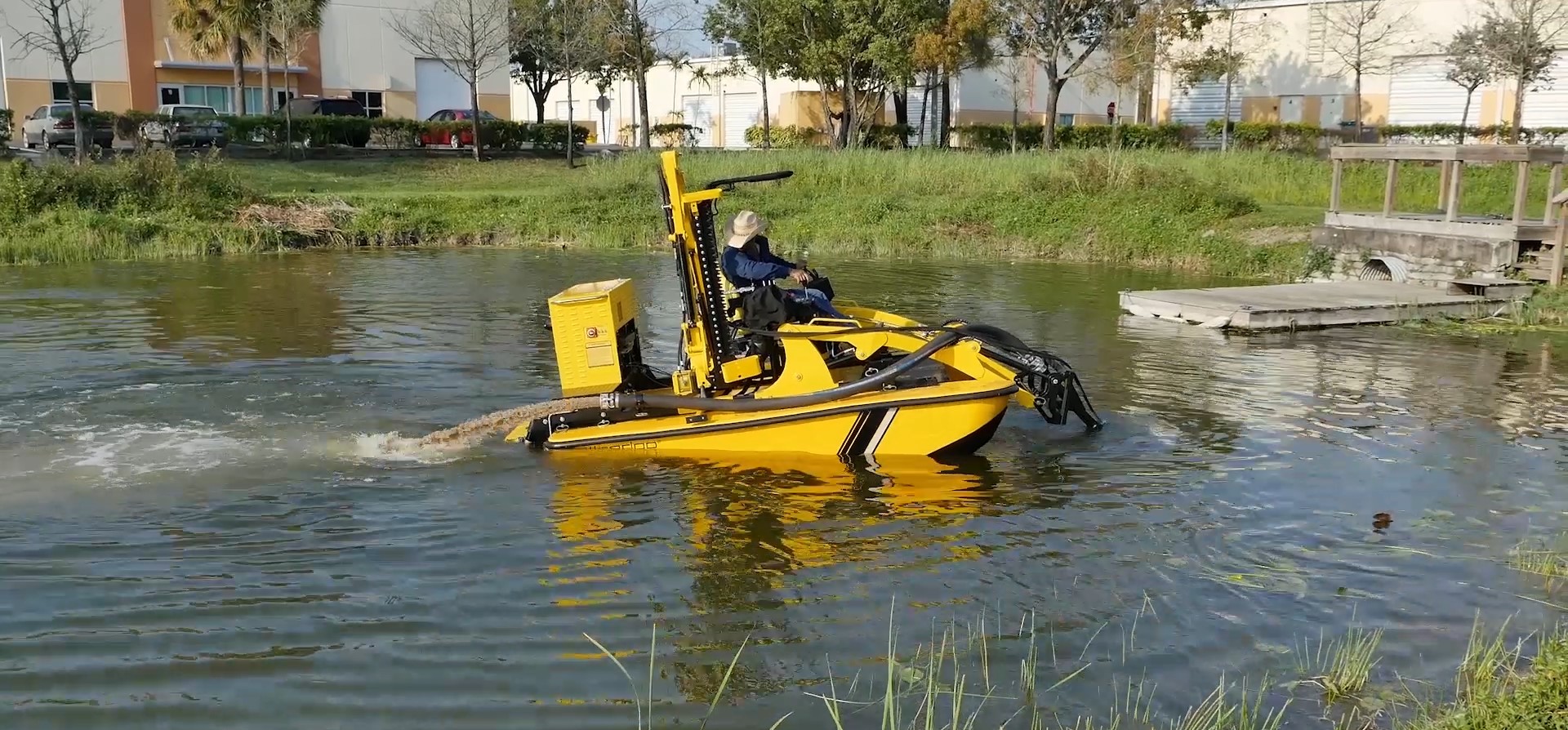
maneuvered to precisely target sediment buildup areas. The discharge hose can pump
slurry up to 250 feet with a flow of up to 5200 gallons per hour.

Here are the specifications of this handy tool:

SP-1017G U.S. METRIC
Overall Length 7 ft 213 cm
Depth variable 4-8 ft 120-243 cm
Solids diameter max size 1.625 in 42 mm
Pump fuel gasoline gasoline
Max pump flow 88 GPM 400 LPM

When you’re ready to tackle your sediment problem, let us know. We not only have the
right equipment; we have the experience and expertise to help.

  1. Title: What to do with the Byproduct of Silt Removal
  2. Description: Explore creative and practical solutions for dealing with silt removed from water bodies, including agricultural use, topsoil creation, and more.
  3. Keywords: silt removal, sediment management, agricultural fertilizer, topsoil creation, landfill caps, mine reclamation, silt recycling, environmental solutions
  4. Author: Tara Lordi
  5. Publication Date: [May, 2024]
  6. Word Count: 580 words
  7. Word Count: 580 words
  8. Tags: Silt removal, Sediment management, Agricultural fertilizer, Topsoil creation,
    Environmental solutions
  9. 2 Featured Images
Posted on

The Dangers of Using Copper Sulfate to Clean Waterways

Weedoo boats Copper Sulfate to Clean Waterways

The Dangers of Using Copper Sulfate to Clean Waterways

In the ongoing battle against water weeds in ponds, rivers, lakes, and wetlands across the nation, the temptation to turn to chemicals for a quick fix is understandable, especially when facing a major infestation of invasive water weeds like Hydrilla, Eurasian Watermilfoil, Duckweed, Water Chestnut, Water Hyacinth, and Phragmites. These infestations can feel overwhelming, with dense mats of vegetation seemingly impossible to remove. In such situations, the idea of a chemical assault becomes appealing. Despite knowing it’s not ideal and worrying about the ecosystem’s impacts, copper sulfate might seem like the only realistic option. After all, it’s widely used and touted as effective and safe. However, in this article, we’ll present a series of arguments against the use of copper sulfate.
Weedoo boats Copper Sulfate to Clean Waterways

Everyone’s Using Copper Sulfate, so it Must be Safe, Right?

You might stumble across a simple piece of advice while searching for a solution to a problem related to aquatic plants in your pond or lake. In one forum, a person was asking how to go about decreasing the amount of silt flowing into a pond, which was resulting in too many aquatic plants in the water. One response detailed a great way to address the silt input problem, and then went on to say this:This will do nothing about vegetation in your pond. That can only be controlled by chemical treatment at least once a year. Granular Copper Sulfate works pretty good. Either mix the granules with water in a bucket and then sprinkle the pond or put the granules in a gunny sack or any perforated sack and drag it behind a boat to dissolve it into the pond water. You can see how there is an assumption that chemicals must be used to stop aquatic plants, and the most common choice is copper sulfate, and even more so when the water body is suffering from serious algae or cyanobacteria blooms. When you see copper sulfate being sprayed onto or pumped into a pond to reduce algae temporarily, it’s likely paid for with tax dollars. The cause of the algae is most likely excess fertilizers from nearby areas that find their way into the pond.. However, after spraying with copper sulfate, the algae sink to the bottom, along with the heavy metals in the spray. Some aquatic creatures survive, but many smaller organisms die, and the heavy metal remains in the water for decades. As noted by the Dartmouth Toxic Metals Superfund Research Program, “This chemical has serious chronic toxicity with implications for agricultural workers and the environment.”

Copper Sulfate in the Food Chain

When copper sulfate is used on a water body, much of it sinks to the bottom, bypassing the plants it’s meant to eliminate. Copper then settles into the sediment and is slowly released back into the water. This copper at the bottom poses significant problems. It can combine with other substances in the sediment or water to form toxic compounds. The immediate impact of copper in the sediment is on creatures that interact most with sediment—bacteria, phytoplankton, mollusks, insects, and other organisms, all of which are food for higher levels in the food chain. Copper is highly toxic to amphibians and bioaccumulates in fish, impacting creatures that feed on them, including humans.

Mechanical Weed Harvesting for the Future of Our Waterways

Chemical herbicides have long-term negative side effects that are well-documented. It’s time to stop poisoning our waterways. Mechanical harvesting is the only truly safe way to remove aquatic weeds without harming the environment, wildlife habitats, aquatic life, amphibians, or humans.The Weedoo line of Workboats and Aquatic Weed Harvesting equipment offers the best solution for combating invasive and nuisance aquatic weeds. From easy-to-use electric skimmers to high-end hydraulic-powered underwater cutters and everything in between, Weedoo is the world’s foremost source for waterway management needs.

Posted on

Tackling Sargassum Invasions: The Effectiveness of Weedoo Boats

sargassum cleanup

Tackling Sargassum Invasions: The Effectiveness of Weedoo
Boats

The increasing prevalence of sargassum, a type of brown seaweed, along coastlines worldwide has
become a significant environmental and economic concern. This floating seaweed, while a natural part
of marine ecosystems, has been appearing in unusually large quantities, creating problems for marine
life, coastal communities, and tourism. Addressing this issue requires innovative solutions, and Weedoo
boats have emerged as an effective tool in the fight against sargassum invasions. When sargassum
washes ashore, it can smother coral reefs, deplete oxygen levels in the water, and release hydrogen
sulfide gas, causing a foul odor and respiratory problems for humans. The seaweed also disrupts beach
activities and damages tourism-dependent economies.
sargassum removal
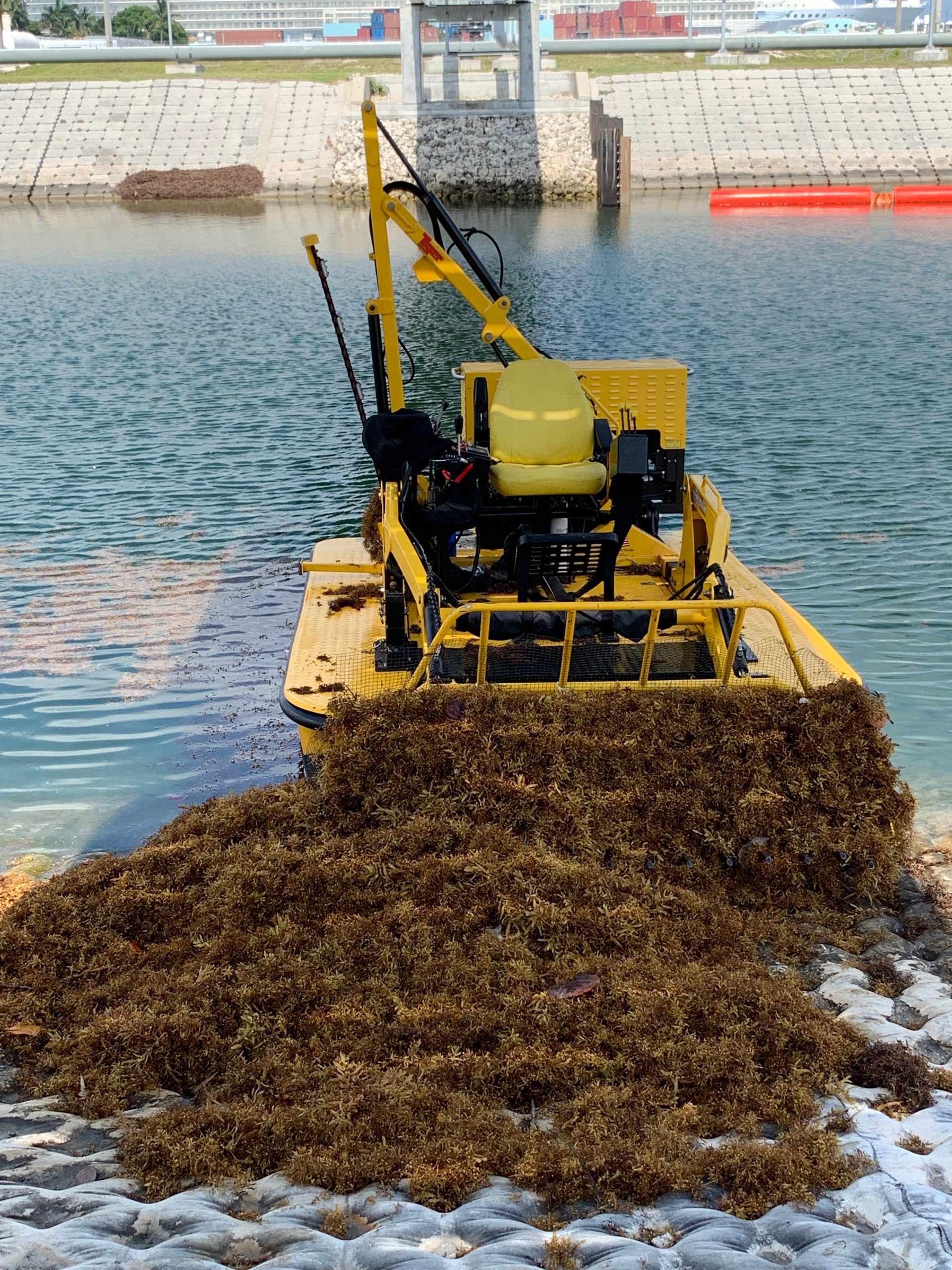
Weedoo boats, known for their efficiency and versatility, have proven to be highly effective in
managing and mitigating the impacts of sargassum. These boats are specially designed to handle
aquatic vegetation, making them ideal for dealing with large accumulations of seaweed. Communities
and organizations around the world have reported significant success using Weedoo to combat
sargassum. By regularly removing sargassum from the water before it reaches the shore, these boats
help maintain the natural beauty and ecological balance of coastal areas.As the global community continues to grapple with the challenges posed by sargassum, the adoption of
effective solutions like Weedoo boats is likely to increase. Continued innovation and investment in such
technologies will be essential in developing sustainable strategies to manage sargassum and protect
our coastal ecosystems. Weedoo boats offer a practical, efficient, and eco-friendly solution to the
growing problem of sargassum invasions. By leveraging their advanced harvesting capabilities and ease
of operation, communities can effectively manage sargassum and mitigate its adverse effects on the environment and local economies. As we move forward, embracing such innovative technologies will
be crucial in ensuring the health and sustainability of our coastal regions.

Posted on

Proactive Pond and Lake Management: Combating Algae and Invasive Weeds with Workboats

Weedoo boats Proactive Pond and Lake Management

Proactive Pond and Lake Management: Combating Algae and Invasive Weeds with Workboats

As the icy grip of winter loosens and gives way to the warmth of spring, our ponds and
lakes experience a significant ecological shift. The gradual increase in water
temperature not only beckons wildlife and enthusiasts back to these aquatic landscapes
but also signals the beginning of a growth cycle for pond algae, invasive weeds, and
lake vegetation. While these elements are crucial for the ecological balance, providing
habitats and oxygen for aquatic life, their uncontrolled proliferation can lead to
significant challenges. These challenges include obstructing waterways, affecting water
quality, and creating a less hospitable environment for native species. Early
intervention, especially utilizing specialized workboats, is critical in maintaining the
health and accessibility of these aquatic environments.

The Growth Cycle Challenge

With spring’s arrival, pond algae and lake weeds begin their vigorous growth cycle, fueled by increased sunlight and warming waters. This natural recurrence is a critical time for pond and lake management. Addressing the growth of algae and invasive weeds early can prevent them from overwhelming the aquatic ecosystem and becoming a larger, more costly issue to manage.

The Role of Weedoo Workboats in Aquatic Management

Weedoo Workboats, specially designed for aquatic vegetation management and
environmental maintenance, are at the forefront of addressing the challenges posed by pond algae and invasive weeds. Here’s how utilizing workboats early in the season can make a substantial difference:

  • Precision and Efficiency: Workboats are equipped with advanced technology and tools designed for the precise cutting, collection, and removal of pond algae
    and invasive weeds. This ensures effective management while maintaining the
    ecological balance.
  • Environmental Conservation: Early intervention with workboats helps preserve aquatic ecosystems by preventing the unchecked growth of invasive species,
    thereby supporting biodiversity and water quality.
  • Cost-effectiveness: Tackling the growth of algae and weeds before they spread
    extensively reduces maintenance efforts and resources required later, proving to be a cost-effective strategy for aquatic management.

Optimal Timing for Intervention

The effectiveness of managing pond algae and invasive weeds largely depends on the
timing. The onset of spring, as waters start to warm, presents the ideal window for proactive management. Weedoo Workboats are particularly valuable during this period,
offering the capability to address vegetation growth before it escalates into a more
problematic scenario.

Sustainable Management Practices

Employing Weedoo workboats for the early management of pond algae and invasive weeds aligns with sustainable environmental practices. This approach minimizes the need for chemical treatments, which can have detrimental effects on non-target aquatic species and overall water health.
Weedoo boats Proactive Pond and Lake Management

Conclusion

Our ponds and lakes are vital components of the natural landscape, offering recreational opportunities and serving as habitats for diverse wildlife. The arrival of spring brings with it the challenge of managing pond algae, invasive weeds, and lake vegetation. Workboats play an essential role in this management, providing a proactive, efficient, and environmentally friendly solution to maintaining the health and beauty of these aquatic environments. By taking early action against potential overgrowths, we can ensure that our ponds and lakes remain vibrant and thriving ecosystems for all to enjoy.As stewards of these aquatic treasures, it’s our responsibility to engage in practices that support their well-being. The early use of the Weedoo for vegetation management marks a wise step toward sustainable and effective aquatic ecosystem stewardship. Let’s embrace this approach and ensure our waters remain navigable, clean, and biologically diverse.

Posted on

Water Weed Removal: Mechanical Harvesting Versus Chemical Herbicides

Weedooboats - Mechanical Harvesting Versus Chemical Herbicides

Water Weed Removal: Mechanical Harvesting Versus Chemical Herbicides

Mechanical harvesting versus chemical herbicides is a significant debate when addressing water weed problems. When faced with an infestation of water weeds, it can be overwhelming and frustrating, leading many to opt for chemical herbicides as a quick solution. However, two crucial factors should be considered before deciding between mechanical harvesting and chemical herbicides: the biomass factor and the safety factor. Please make an informed decision!

The Biomass Factor in the Mechanical Harvesting Versus Chemical Herbicides Debate

Weedooboats - Mechanical Harvesting Versus Chemical Herbicides
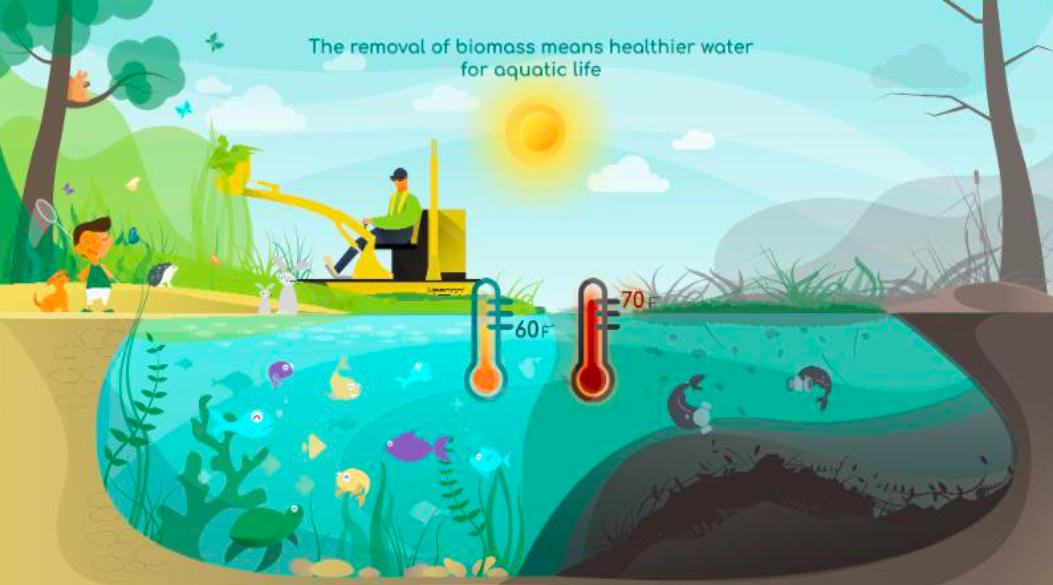
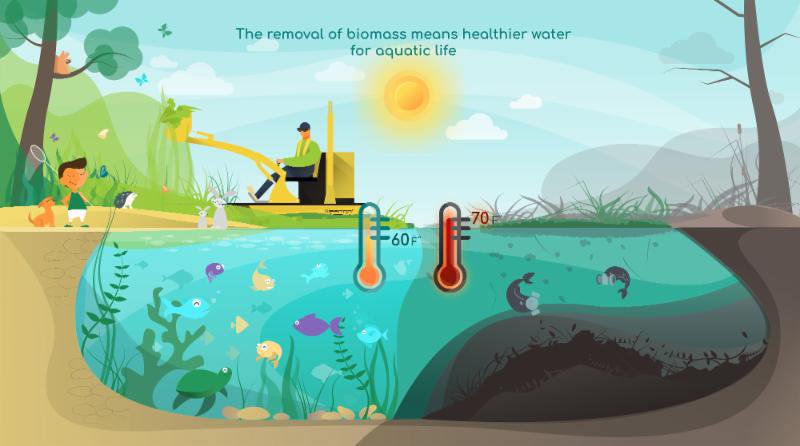
One of the problems with chemical herbicides is the additional issues that can arise after their use, particularly biomass accumulation. Spraying chemical herbicides may kill the plants, but they remain in the water as dead biomass. The rapid decay of this plant matter leads to a spike in nutrients such as nitrogen and phosphorus, making the water vulnerable to invasions by other plants, both native (like Starry Stonewort, Duckweed, and Cattails) and non-native species (like Water Chestnut). Additionally, decaying plant matter depletes oxygen levels in the water, which can cause the die-off of fish and other aquatic animals. Chemical treatments do not remove biomass, creating a vicious cycle of nutrient spikes and further weed invasions. Mechanical harvesting, however, involves physically removing the plants from the water, effectively eliminating the biomass and preventing these issues.

The Safety Factor in the Mechanical Harvesting Versus Chemical Herbicides Debate

Safety is another crucial consideration when choosing between chemical herbicides and mechanical harvesting. Just because a chemical is legally permitted doesn’t mean it’s safe or advisable to use. Typically, you would need to hire a chemical contractor, which can be costly and raises concerns about proper application and dosage. Mechanical harvesting, on the other hand, is straightforward and allows for easy monitoring of progress. Many chemical herbicides are toxic to fish and other aquatic life, further harming the ecosystem. Treated water often must be restricted from use for drinking, watering animals, swimming, fish farming, or irrigation until deemed safe, which can take anywhere from 10 to 90 days, depending on the chemical used. Furthermore, chemical treatments do not remove biomass, leading to elevated nutrient levels and recurring weed problems.
Harvesting Versus Chemical Herbicides Debate

Weedo Work Boats Win the Mechanical Harvesting Versus Chemical Herbicides Debate

Given the risks associated with chemical herbicides and their potential to exacerbate weed problems due to biomass accumulation, mechanical harvesting is a more sensible solution. Weedoo Workboats provide effective mechanical harvesting tools to address water weed problems..Ready to tackle those wily water weeds without chemicals? Contact Weedoo today!