

Post by : Sumon Rahman | Post on : April 21, 2025 at 3:55 pm
As awareness grows around the dangers of chemical herbicides, more U.S. cities are stepping up and banning their use—especially near water bodies. It's time for homeowners' associations (HOAs) to follow suit.
Read more
Post by : Sumon Rahman | Post on : March 16, 2025 at 12:28 pm
Glyphosate herbicides are routinely sprayed into U.S. waterways to control invasive weeds, but the environmental and health risks are concerning.
Read more
Post by : Sumon Rahman | Post on : February 11, 2025 at 7:06 am
Mechanical harvesting provides a sustainable, environmentally friendly alternative for waterway cleanup.
Read more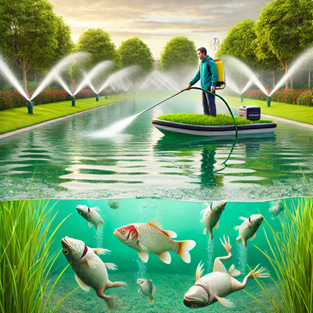
Post by : Sarah Sweeney | Post on : January 24, 2025 at 8:20 am
Communities fight invasive aquatic weeds, often relying on harmful herbicides—without realizing the risks
Read more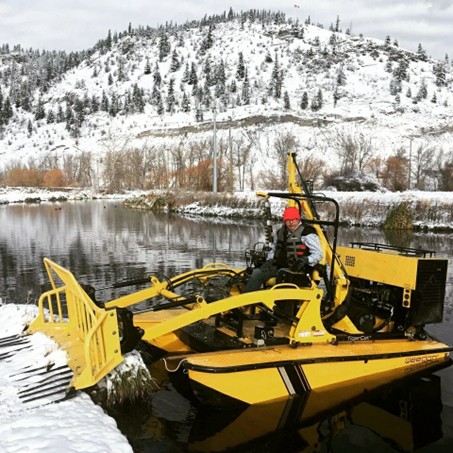
Post by : Sumon Rahman | Post on : December 11, 2024 at 5:25 pm
Some may assume aquatic weeds stop growing in winter, but many species remain active and challenging even in the cold.
Read more
Post by : Sumon Rahman | Post on : November 5, 2024 at 9:03 am
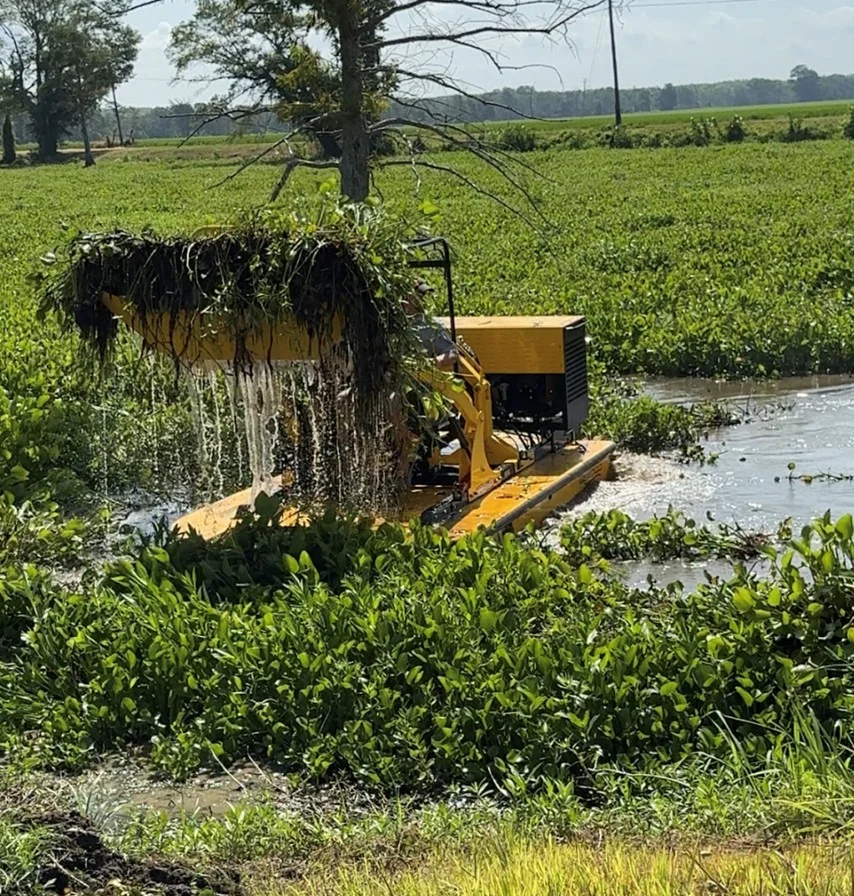
Water hyacinth clogs waterways, disrupts irrigation systems, and increases the cost of waterway maintenance.
Read more
Post by : Sumon Rahman | Post on : October 10, 2024 at 3:26 am
Water bodies on golf courses are prone to weed overgrowth and debris accumulation, which can detract from the beauty of the course and even affect play.
Read more
Post by : Sumon Rahman | Post on : September 2, 2024 at 7:23 am
Many aquatic weeds, such as hydrilla, duckweed, and cattails, die back in the fall but leave behind seeds, roots, or tubers that will regrow in the spring.
Read more
Post by : Sumon Rahman | Post on : August 7, 2024 at 5:49 am
Duckweed control is crucial for maintaining healthy aquatic environments. Weedoo boats are a powerful tool to manage duckweed efficiently and safely.
Read more
Post by : Sumon Rahman | Post on : July 15, 2024 at 5:50 am
Hydrilla remains a significant threat to aquatic ecosystems.
Read more