For HOAs and property managers, waterways are part of the community’s appearance and quality of life. When ponds, canals, retention areas, and shorelines become overgrown, residents notice quickly.
Aquatic weeds, algae, shoreline overgrowth, floating debris, and clogged water flow can create ongoing maintenance problems, especially during warmer months when vegetation spreads rapidly. In many communities, chemical spraying becomes the standard response. But more residents are beginning to ask questions about repeated herbicide use around neighborhoods, pets, wildlife, walking paths, playgrounds, and recreational water areas.
Residents should know how their HOA is maintaining community waterways and ask whether repeated chemical treatments are being used.
Many chemical applications kill vegetation in place, leaving dead plant material to decay in the water while requiring ongoing treatments throughout the season.
That’s one reason more HOAs are exploring mechanical waterway cleanup instead.
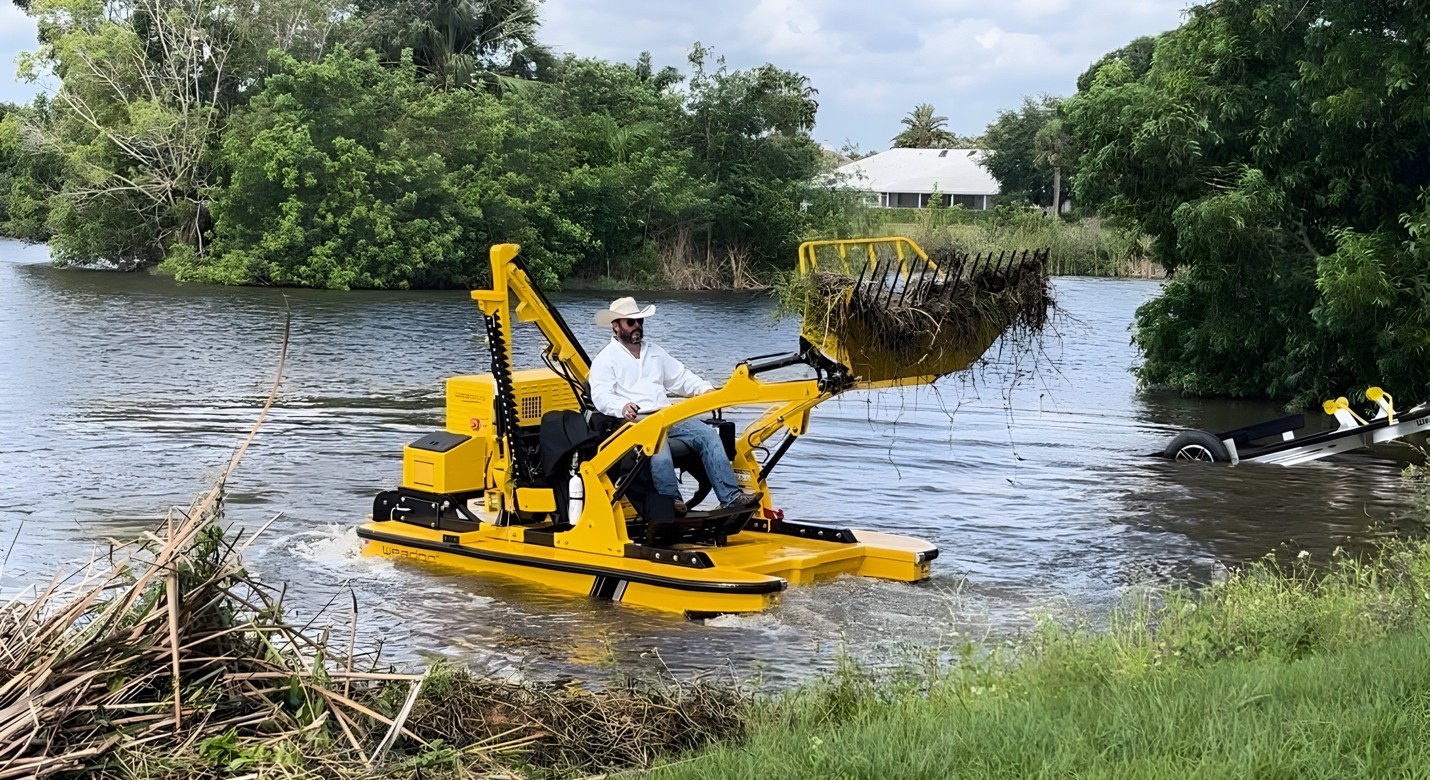
Weedoo Workboats physically cut, collect, and remove invasive vegetation, floating debris, and shoreline buildup without relying on herbicides. Instead of chemically treating weeds and waiting for them to die off, the vegetation is physically removed from the waterway. The result is immediate, visible improvement with cleaner shorelines, improved water flow, and better-looking common areas residents can actually see.
Mechanical harvesting also helps communities avoid many of the concerns residents often associate with repeated chemical applications near homes and shared outdoor spaces.
Weedoo equipment is built for real HOA conditions, including retention ponds, decorative lakes, canals, golf course waterways, and tight shoreline access areas. Quick-change attachment systems allow operators to handle multiple maintenance tasks with one machine, from aquatic weed removal to debris cleanup and shoreline maintenance.
For HOAs focused on appearance, environmental responsibility, and resident concerns, mechanical cleanup offers a practical alternative to chemical-dependent maintenance programs. No chemicals. Just removal.